

Author
Author
Nick J.
Nick J.
Nov 30, 2025
Nov 30, 2025
Nov 30, 2025
Robotics Foundation Models: The Paradigm Shift to General-Purpose Intelligence
Robotics Foundation Models: The Paradigm Shift to General-Purpose Intelligence
Robotics Foundation Models: The Paradigm Shift to General-Purpose Intelligence
AI is pushing robotics into a new era. The catalyst: Robotics Foundation Models (RFMs) — large, pre-trained systems that finally move robots past single-task automation and into adaptable, general-purpose intelligence.
AI is pushing robotics into a new era. The catalyst: Robotics Foundation Models (RFMs) — large, pre-trained systems that finally move robots past single-task automation and into adaptable, general-purpose intelligence.
Robotics Just Hit Its Inflection Point
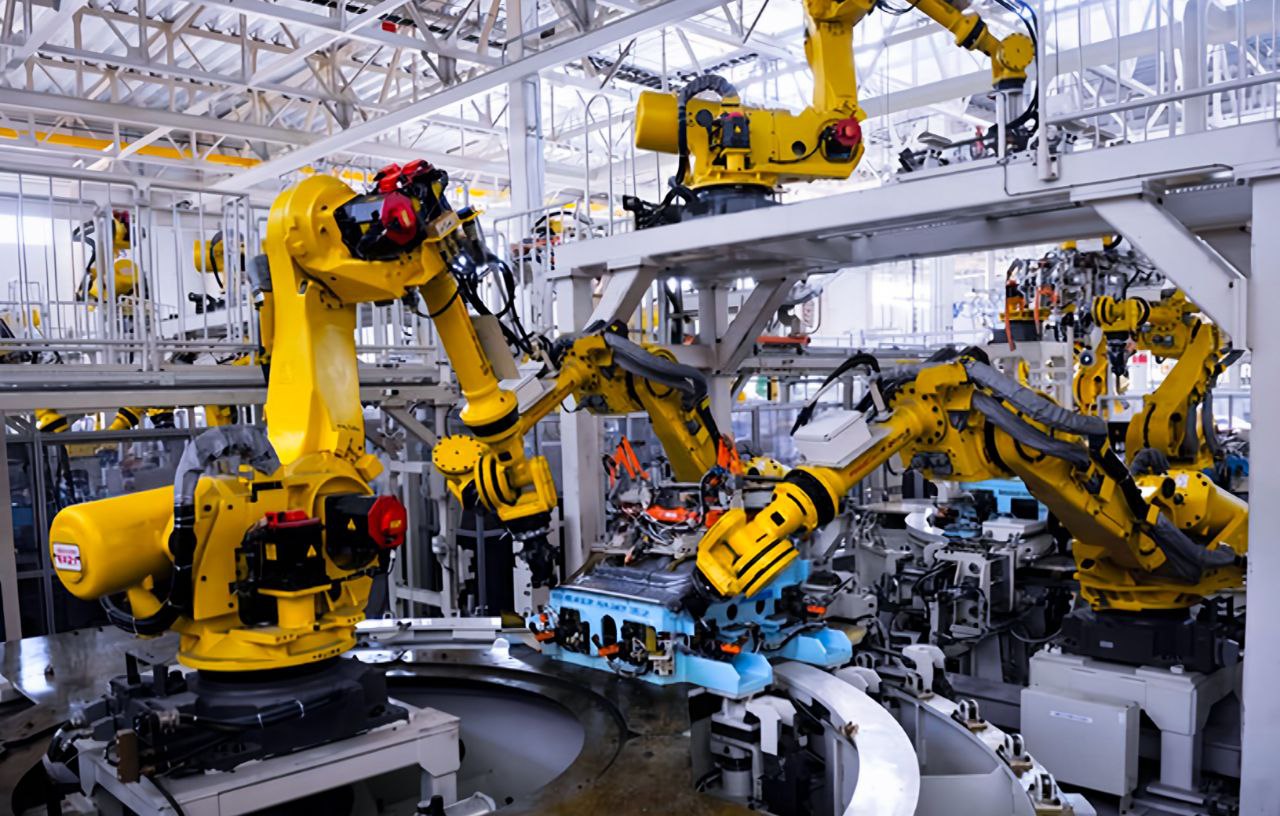
For decades, robots were trapped in a rigid paradigm. Every new task demanded custom code, endless calibration, and carefully controlled environments. Great for assembly lines. Dead on arrival everywhere else. RFMs rewrite that playbook.
The Shift: From Scripts to General Intelligence
RFMs learn the physical world the way language models learned text — through massive multi-modal datasets spanning video, sensor data, simulations, and real demonstrations. The result is a model that understands objects, dynamics, and interaction patterns well enough to adapt instantly. Robots no longer need bespoke engineering to handle something new. They can infer, generalize, and execute with minimal training.
The Impact: Faster Deployment, Lower Costs, Broader Use
Organizations adopting RFMs unlock:
• True adaptability — robots follow natural language instructions and learn new tasks from a few examples.
• Zero-shot and few-shot learning — far less data and engineering.
• Multi-modal perception — vision, touch, audio, and language fused into one system.
• Wider access — automation becomes viable for companies that were previously priced out.
This isn’t incremental improvement. It’s a new cost curve.
Where It Hits First
Manufacturing & Logistics:
RFMs give factories and warehouses flexibility they’ve never had. Adaptive production lines. Dynamic picking and sorting. Safer collaboration with human workers.
Elder Care:
RFMs enable robots that can navigate real homes, assist with daily tasks, and interact safely — critical as global populations age.
The Remaining Challenges
RFMs still face real friction:
• enormous data requirements,
• sim-to-real reliability gaps,
• and verifying safety when models control physical motion.
These are solvable — and being solved fast.
The Bottom Line
RFMs shift robotics from rigid tools to intelligent systems. Adaptability becomes the default. Deployment becomes faster. Automation becomes accessible. The organizations preparing for this transition today will own the next decade of robotics.
Disclaimer: These views and opinions are not investment advice. The content is for informational purposes only and should not be construed as financial or investment advice. Readers are advised to conduct their own research and seek professional guidance before making any financial decisions.
Robotics Just Hit Its Inflection Point
For decades, robots were trapped in a rigid paradigm. Every new task demanded custom code, endless calibration, and carefully controlled environments. Great for assembly lines. Dead on arrival everywhere else. RFMs rewrite that playbook.
The Shift: From Scripts to General Intelligence
RFMs learn the physical world the way language models learned text — through massive multi-modal datasets spanning video, sensor data, simulations, and real demonstrations. The result is a model that understands objects, dynamics, and interaction patterns well enough to adapt instantly. Robots no longer need bespoke engineering to handle something new. They can infer, generalize, and execute with minimal training.
The Impact: Faster Deployment, Lower Costs, Broader Use
Organizations adopting RFMs unlock:
• True adaptability — robots follow natural language instructions and learn new tasks from a few examples.
• Zero-shot and few-shot learning — far less data and engineering.
• Multi-modal perception — vision, touch, audio, and language fused into one system.
• Wider access — automation becomes viable for companies that were previously priced out.
This isn’t incremental improvement. It’s a new cost curve.
Where It Hits First
Manufacturing & Logistics:
RFMs give factories and warehouses flexibility they’ve never had. Adaptive production lines. Dynamic picking and sorting. Safer collaboration with human workers.
Elder Care:
RFMs enable robots that can navigate real homes, assist with daily tasks, and interact safely — critical as global populations age.
The Remaining Challenges
RFMs still face real friction:
• enormous data requirements,
• sim-to-real reliability gaps,
• and verifying safety when models control physical motion.
These are solvable — and being solved fast.
The Bottom Line
RFMs shift robotics from rigid tools to intelligent systems. Adaptability becomes the default. Deployment becomes faster. Automation becomes accessible. The organizations preparing for this transition today will own the next decade of robotics.
Disclaimer: These views and opinions are not investment advice. The content is for informational purposes only and should not be construed as financial or investment advice. Readers are advised to conduct their own research and seek professional guidance before making any financial decisions.